Learn why retaining walls fail in Minnesota, the warning signs to watch for, and how proper construction helps protect your property for decades.
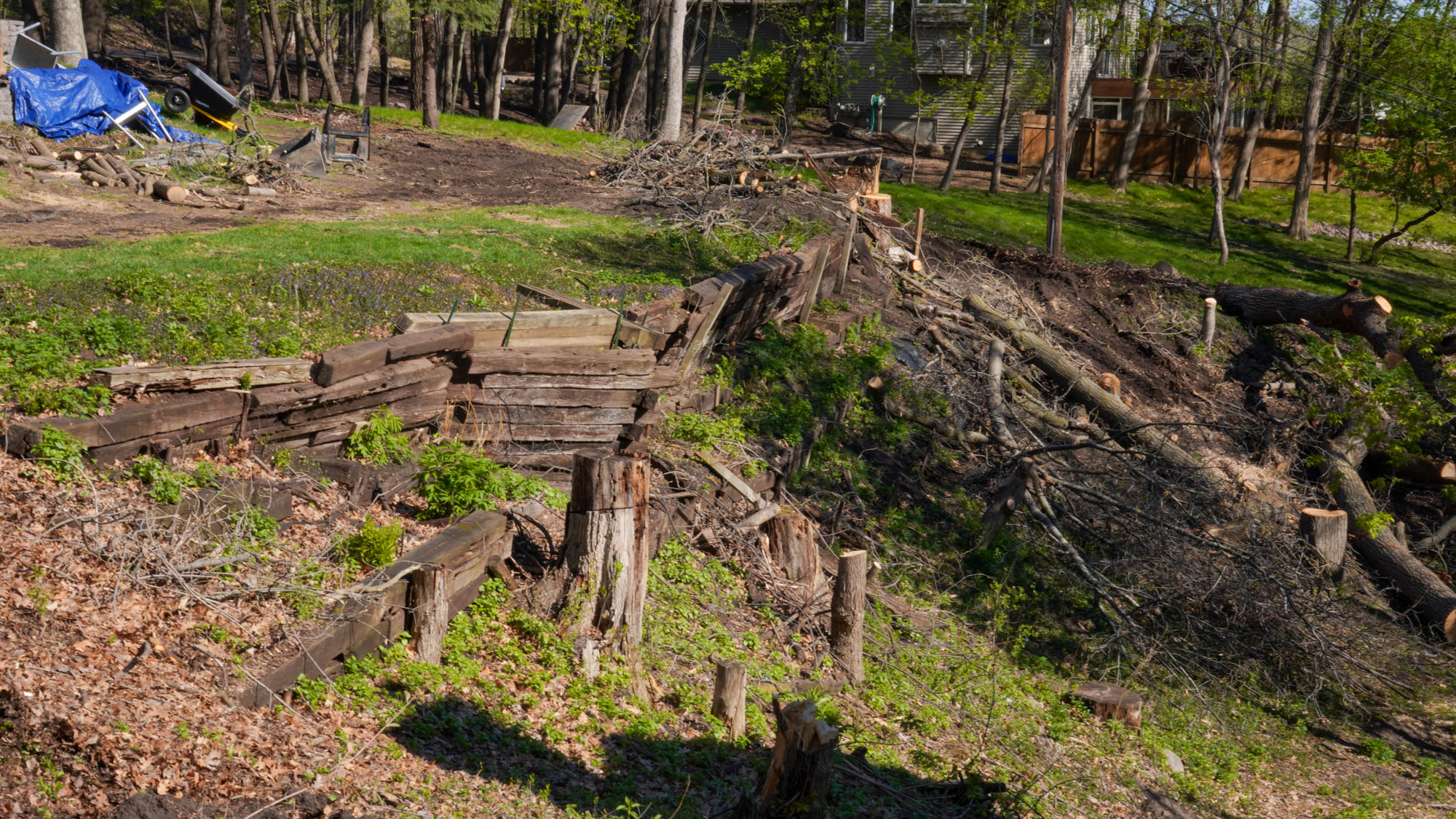
Imagine walking into your backyard one spring morning and noticing that one of the boulders in your retaining wall doesn't look quite right. Maybe it's leaning a little farther than you remember. Maybe there's a small gap where there wasn't one last fall. After the next heavy rain, you notice soil washing out from behind the wall.
At first, it's easy to dismiss. "It's probably just settling." The truth is, retaining walls rarely fail overnight. Most fail one season at a time. And by the time homeowners notice the movement, the real problem has often been hiding underground for years.
When people think about retaining walls, they usually picture landscaping. Natural stone. Beautiful boulders. A backyard that looks finished. But that's only half the story.
A retaining wall isn't built to decorate your property. It's built to hold back thousands of pounds of soil. Every day. Every season. Every spring thaw. Every heavy rain. That's a structural job—not a cosmetic one.
When a retaining wall is built correctly, most homeowners never think about it again. When it's built incorrectly, nature eventually exposes the shortcuts.
One of the hardest things about buying a retaining wall is that you can't judge the quality by looking at it.
Imagine two neighbors building nearly identical walls. They use similar-looking boulders. The finished projects look almost exactly the same. One homeowner spends several thousand dollars less.
At first, it feels like they made the smarter decision. But five years later, one wall is still standing exactly where it was built. The other is starting to lean.
What changed? Usually, it isn't the stone. It's everything underneath it.
Think about building a house. Nobody buys a home because they love the concrete footing. In fact, they'll probably never see it. But if that footing isn't built correctly, nothing above it performs the way it should.
Retaining walls work exactly the same way. The hidden work determines whether the visible work lasts. Long before the first boulder is ever placed, the real construction begins. The site has to be excavated correctly. The foundation has to be prepared. Drainage has to be planned. The material behind the wall has to be installed correctly.
Those aren't the exciting parts of a project. They're also the reason a retaining wall can last for decades instead of failing after a few Minnesota winters.
If there's one thing homeowners underestimate, it's water. Water doesn't need much. A heavy rain. Melting snow. A few freeze-thaw cycles. Year after year, water keeps pushing against the back of a retaining wall. If it has nowhere to go, pressure begins building behind the structure.
Eventually, something has to give. That's why drainage isn't an optional upgrade. It's one of the most important structural components of the entire wall. A beautiful retaining wall without proper drainage is like putting a brand-new roof on a house with no foundation. Eventually, the problem catches up.
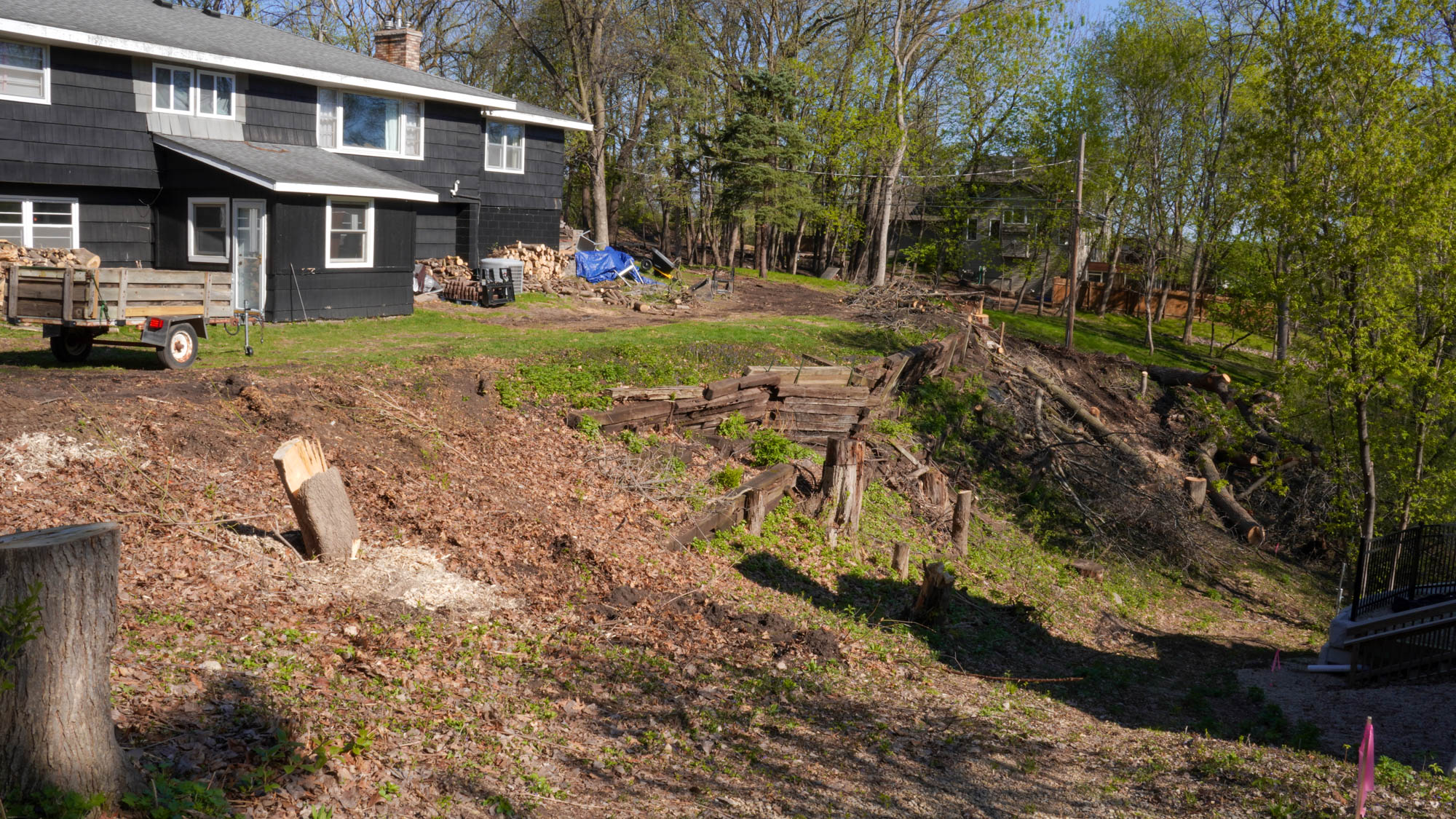
Retaining walls in Minnesota face conditions that many parts of the country never experience. Snow melts. The ground becomes saturated. Temperatures drop below freezing. Water expands. Everything shifts. Then it happens again. And again.
Every winter becomes another stress test. That's why retaining walls built in Minnesota have to be designed for Minnesota—not simply installed to look good when the project is finished.
Most retaining walls give homeowners plenty of warning before they fail completely. Pay attention if you notice:
None of these signs automatically mean the wall has to be replaced. But they do mean it's worth having someone evaluate what's happening before the damage becomes more extensive.
One thing we've learned after building retaining walls across Minnesota is that the visible problem is rarely the real problem. Homeowners often call because they notice a leaning wall or shifting boulders.
Once construction begins, it's common to discover that the issue started long before those symptoms appeared. That's why we never look at a retaining wall as just a row of stone. We look at the soil. The drainage. The elevation changes. The water movement. The entire system.
Because that's what determines whether the next wall will still be standing decades from now.
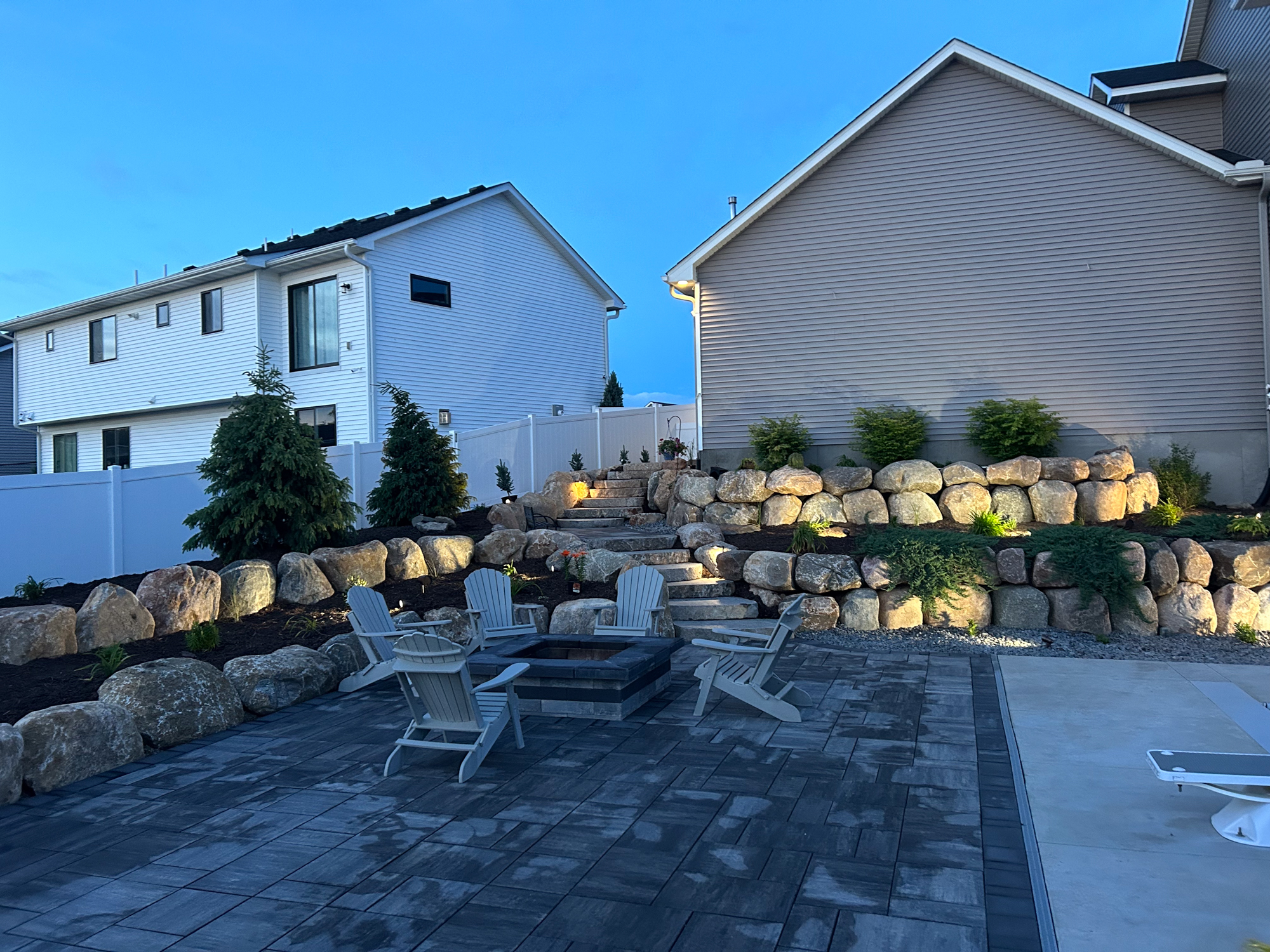
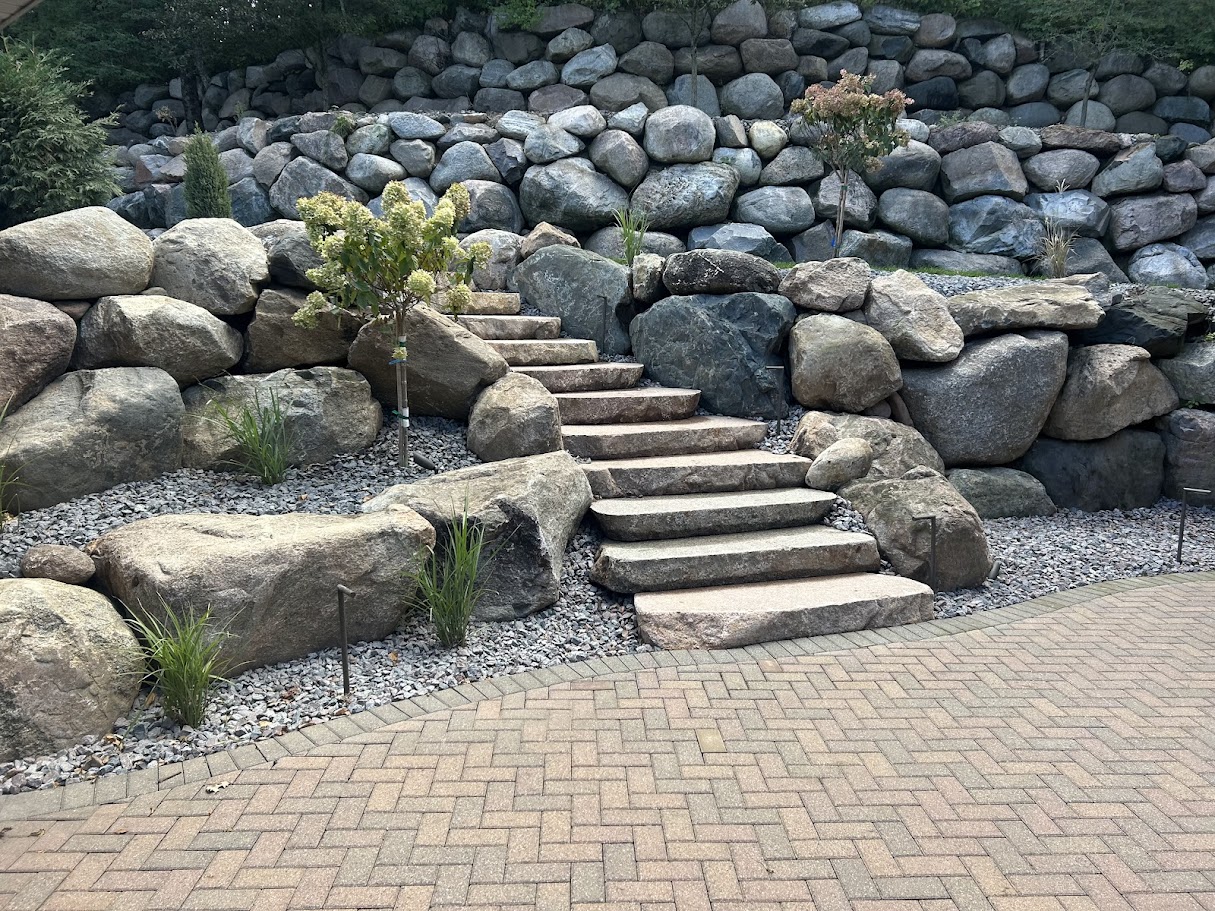
One recent project in Eden Prairie perfectly illustrates this mindset. The homeowners weren't simply looking to replace an aging retaining wall. They wanted to invest in their property with a structure built to last a lifetime. The project involved a large-scale reinforced retaining wall stretching approximately 160 feet and reaching nearly 18½ feet tall—designed to safely retain an enormous amount of soil while meeting municipal requirements and incorporating additional safety features like fencing.
Projects like this remind us that a retaining wall isn't just another landscaping feature. It's infrastructure.
When it's built correctly, it protects your property, creates usable outdoor space, and gives homeowners confidence that their investment will continue performing for years to come.
...is the one you have to build twice.
It's a phrase we come back to often because it's true. Retaining walls are one of those projects where the shortcuts usually aren't visible on day one. They're visible years later. Choosing the right contractor isn't just about finding someone who can place stone. It's about finding someone who understands everything happening beneath it.
Because beautiful is easy. Building something that's still beautiful twenty years from now—that takes experience.
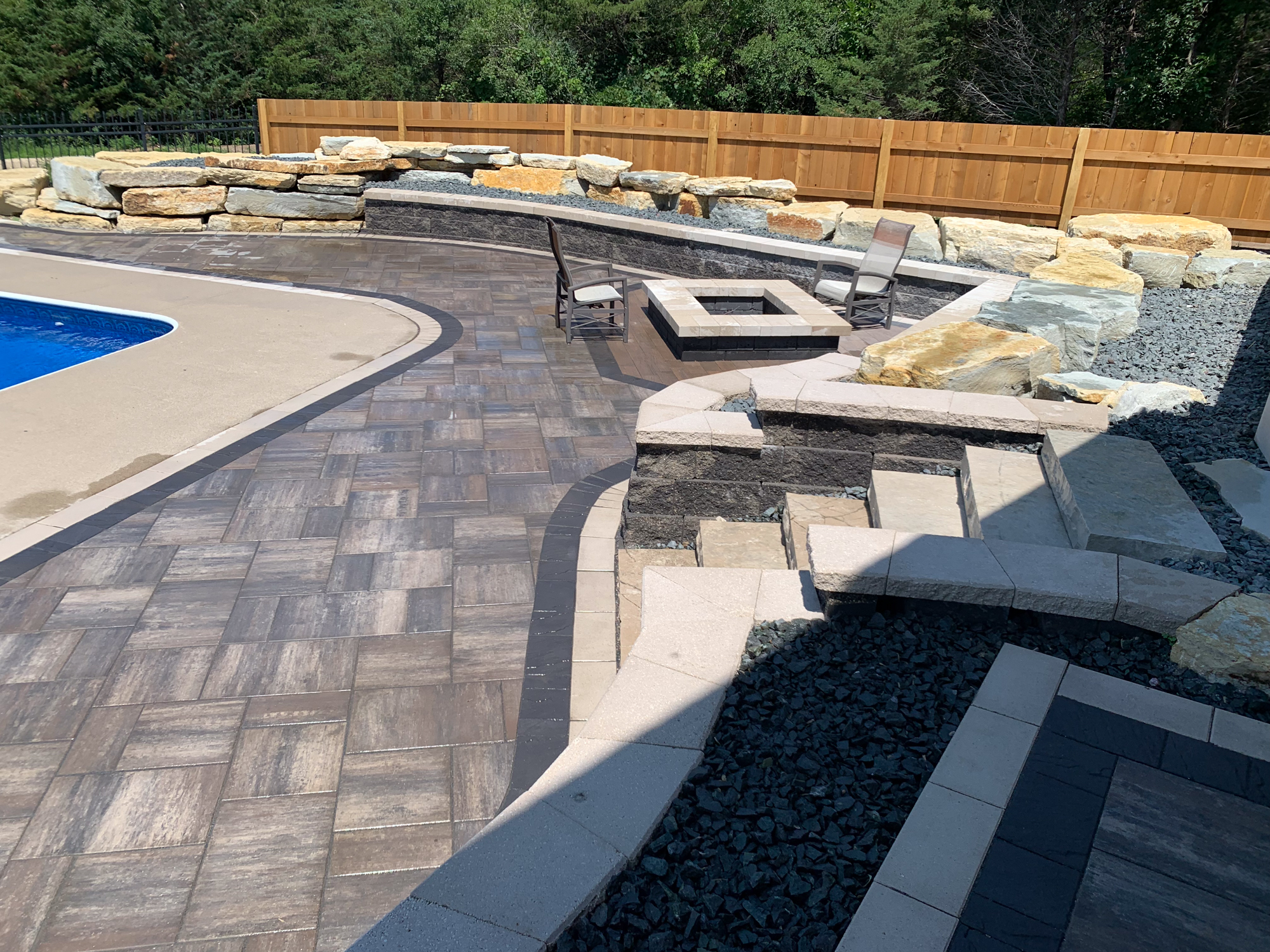
Whether you're dealing with a wall that's beginning to fail or planning a brand-new outdoor project, taking the time to understand how retaining walls work will help you make a better long-term investment.
At Boss Construction, we believe outdoor construction should be built once—and built right. If you're considering a retaining wall anywhere in the Twin Cities, we'd be happy to evaluate your property, answer your questions, and help you determine the best solution for your landscape.
Contact Us:
owner@boss-construction-llc.com
North Branch, MN
Our Partners: